
Whole Home Repiping in West Valley City, UT
When the pipe itself has reached the end of its life, repairs stop being repairs and start being a subscription. Repiping ends that, usually in under a week.
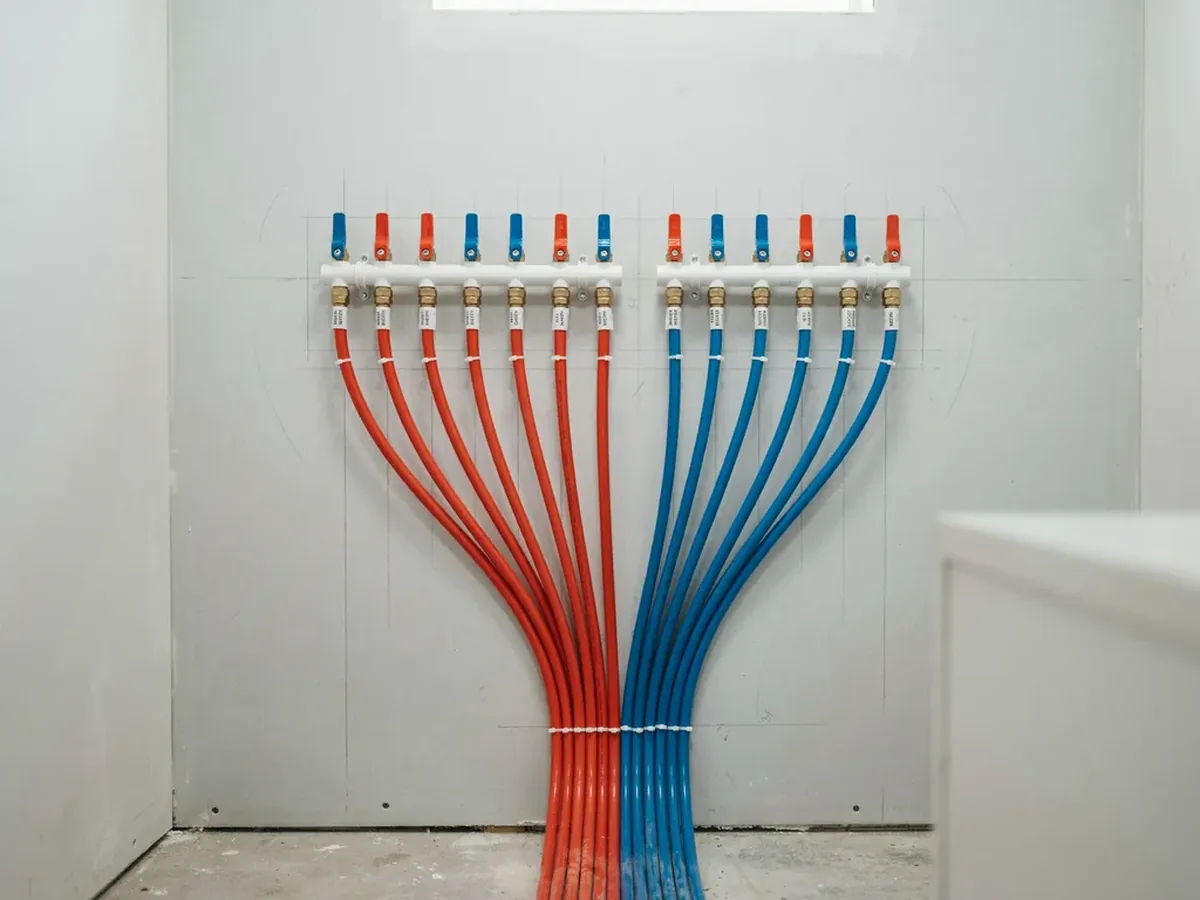
Repiping is the biggest plumbing job most homeowners will ever authorise, and it is worth understanding why it comes up. Supply pipe does not fail randomly. Every line in your house was installed at the same time, from the same material, and has carried the same water at the same pressure ever since. So when the first one goes, the others are not far behind.
In West Valley City the common triggers are original galvanized steel in homes built before about 1970, polybutylene in homes from the late 70s to mid 90s, and aging copper in houses from the 60s and 70s that is now producing its second or third pinhole. All three have a point where continuing to repair is clearly the more expensive path.
The good news is that a repipe on a typical single-family home here is a three-to-five-day job, you can stay in the house, and it comes with a warranty and a permit. When it is done you have a system with labelled shutoffs, balanced pressure, and no realistic prospect of a supply failure for decades.
Do you need one
Signs it is time to repipe rather than repair
- Two or more leaks in the last couple of years. The clearest signal there is. Pipe fails as a system.
- Rusty or discoloured water in the mornings. Corrosion inside galvanized steel, and it will not improve.
- Pressure that has declined steadily for years. Internal corrosion narrowing the bore across the whole system.
- You have polybutylene. Grey, cream or blue flexible plastic pipe with crimped fittings, installed roughly 1978 to 1995. Widely regarded as needing replacement.
- A slab leak in a house with original copper. The first of several, and repiping above the slab removes the whole category of problem.
- You are remodelling anyway. Walls open for a kitchen or bathroom is the cheapest repiping opportunity you will ever get.
- Selling in the next couple of years. Galvanized plumbing comes up on every inspection report and gets negotiated against harder than the repipe would have cost.
Materials
PEX or copper: what we would put in your house
PEX-A with expansion fittings
Our default. Flexible, so it snakes through existing cavities with far fewer wall openings. Handles a freeze without splitting, does not corrode, and hard water does not scale it. Expansion fittings keep the full bore at every connection.
Copper
Still excellent, still the right call for exposed runs, near flues, and where a homeowner wants it. It costs meaningfully more in material and labour, and a copper repipe takes longer, but it looks the part and lasts decades.
Manifold or home-run layout
Every fixture on its own line back to a central manifold with labelled shutoffs. Better pressure balance when two fixtures run at once, faster hot water, and future repairs become trivial.
What to expect
A repipe, day by day
Day 0: walkthrough and permit
Route planned, access points agreed and marked, furniture moved, permit pulled with the city.
Days 1–2: rough-in
New lines run to every fixture. Water is off during the day and back on each evening.
Day 3: tie-in and test
Fixtures connected, system pressurised, held and inspected. Old lines abandoned in place or removed where accessible.
Days 4–5: make good
Access holes patched, texture matched, site cleaned. Final inspection signed off.
Costs
Whole home repiping costs in West Valley City
Price is driven by the number of bathrooms, the number of storeys, whether the house is on a slab or has a basement, and how much finished surface has to be opened.
| Home | PEX | Copper | Notes |
|---|---|---|---|
| 2 bed / 1 bath, single storey | $6,500 – $9,500 | $9,000 – $13,000 | Slab or basement, straightforward layout. |
| 3 bed / 2 bath, single storey | $8,000 – $12,500 | $11,000 – $17,000 | The most common West Valley City repipe. |
| 3–4 bed / 2–3 bath, two storey | $11,000 – $18,000 | $15,000 – $24,000 | More vertical runs and more ceiling access. |
| Add drywall patch & texture | $900 – $2,800 | — | Depends on the number and location of access points. |
| Add pressure reducing valve | $380 – $850 | — | Strongly recommended where street pressure is high. |
Includes permit and inspection. Typical West Valley City ranges, not quotes — we survey and give you a fixed price.
What you get
What changes after a repipe
- Pressure comes back. Full-bore pipe throughout, so showers stop dropping when someone flushes.
- Clean water at every tap. No more rusty first-draw water in the morning.
- Leaks stop being a background worry. New material, correct pressure, proper support, warranted work.
- Shutoffs you can actually find and use. Labelled, accessible, and they close when you turn them.
- Faster hot water at the far fixtures. Correctly sized runs mean less cold water to push through first.
- A better sale later. A permitted repipe with paperwork removes the single biggest red flag on an older home's inspection report.
FAQ
Whole Home Repiping: your questions answered
How long does a whole home repipe take?
Three to five days for a typical single-family home in West Valley City, including patching. Larger or two-storey homes can run to a week. Water is shut off during working hours and restored each evening.
Do I have to move out?
Almost nobody does. You will be without water during the working day, there will be crews and dust in parts of the house, and one bathroom is usually kept live wherever the layout allows.
PEX or copper, honestly?
For most homes here, PEX. It is more freeze-tolerant, which matters in this climate; it does not corrode; hard water does not scale it; and its flexibility means far less of your house has to be opened up. Copper is a premium choice for exposed work and for homeowners who specifically want it.
How many holes will you make in my walls?
Fewer than you fear. On a typical single-storey home expect somewhere between eight and twenty access points, mostly high on walls and in closets, cabinets and the garage. We plan the route specifically to keep them out of feature walls.
Is it covered by insurance?
Generally not. Insurance covers sudden damage, not the planned replacement of worn-out material. What insurance may cover is the damage from a failure that prompted the repipe.
Will you handle the permit?
Yes. A whole home repipe requires a permit and inspection. We pull it, schedule the inspection and meet the inspector, and you get the signed-off paperwork for your records.
What happens to the old pipes?
Anything accessible comes out. Lines inside finished walls and under slabs are capped and abandoned in place, which is standard practice — removing them would mean opening far more of the house for no benefit.
Related plumbing services
Tired of paying for the same leak?
Book a repipe assessment. We will measure your pressure, look at your actual pipe and give you a fixed price with no pressure to take it.