
Emergency Water Leak Repair in West Valley City, UT
A leak you can see is a leak that has already been running for a while. We isolate it, trace it back to the real source and repair it before it gets into subfloor and framing.
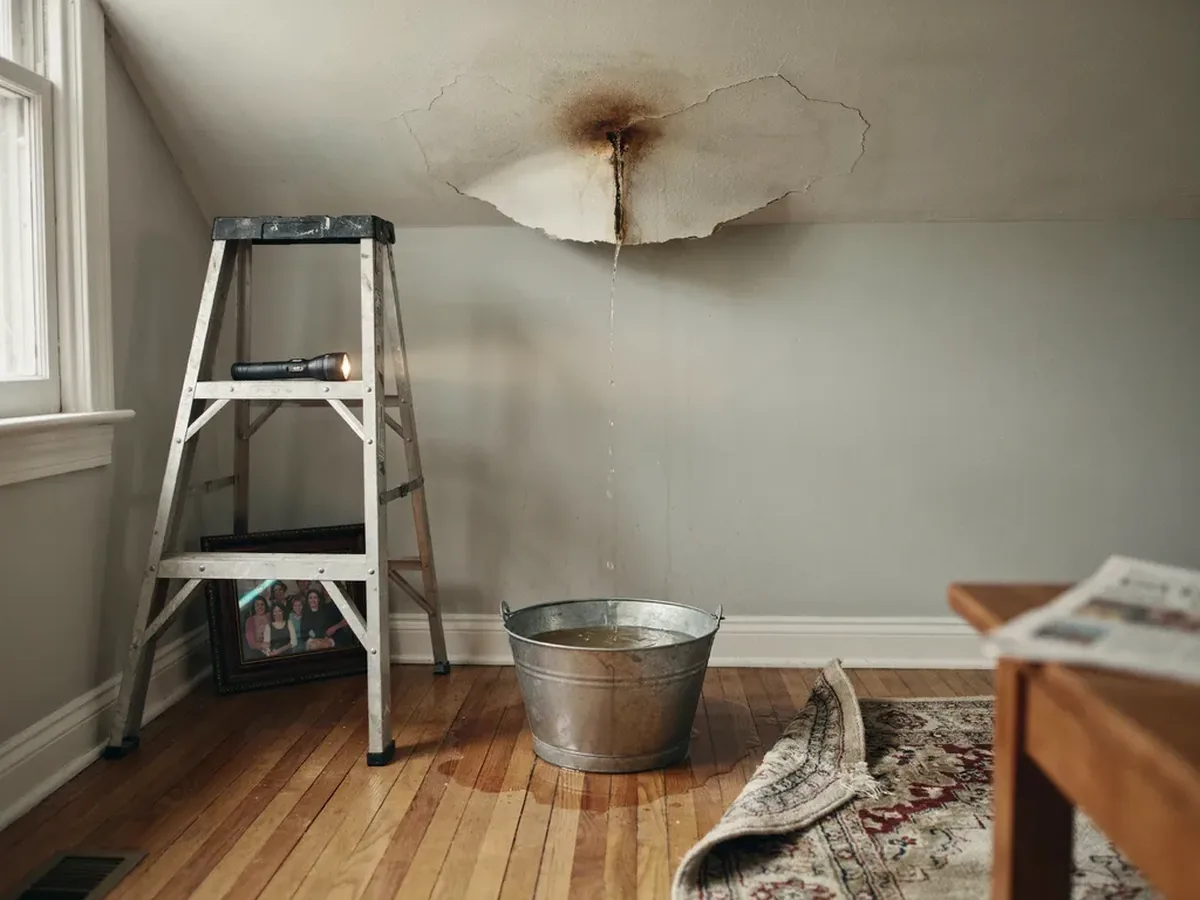
There is a difference between a leak and a burst. A burst is loud, fast and obvious. A leak is quieter and, in some ways, more expensive, because it can run for days or weeks inside a wall or under a floor before it announces itself as a stain, a soft spot or a smell.
This page is about the ones that need dealing with tonight: water actively coming through a ceiling, pooling on a floor, running down a wall, or a supply line you have just found soaking a cabinet base. If the water is moving and you cannot stop it at a fixture valve, that is an emergency call.
If you have a slow leak you suspect but cannot find — a bill that has climbed, a meter that creeps, a musty smell in one room — that is a different job and it is covered on our water leak detection page.
Stop it here first
Where to shut the water off, in order
Work from the closest valve outward. The less of the house you shut down, the better.
- The fixture stop. Under a sink, behind a toilet, on the wall at the washing machine. Clockwise to close. This is the fastest fix if the leak is at one fixture.
- The water heater inlet. If the leak is at or below the heater, close the cold inlet on top and kill the breaker or gas valve.
- The main shutoff inside. Usually where the supply enters — near the water heater on slab homes, on the front foundation wall in homes with basements.
- The meter stop at the street. In the meter box in the park strip. Needs a meter key or a long screwdriver. Use this when the interior valve is seized.
- The breaker, if water is near electrical. Water running into a panel, an outlet or an appliance compartment. Only if you can reach the panel safely and dry.
- Then call. Once it is stopped, the emergency becomes a repair, and repairs are cheaper than emergencies.
Finding the source
Why the wet spot is rarely where the leak is
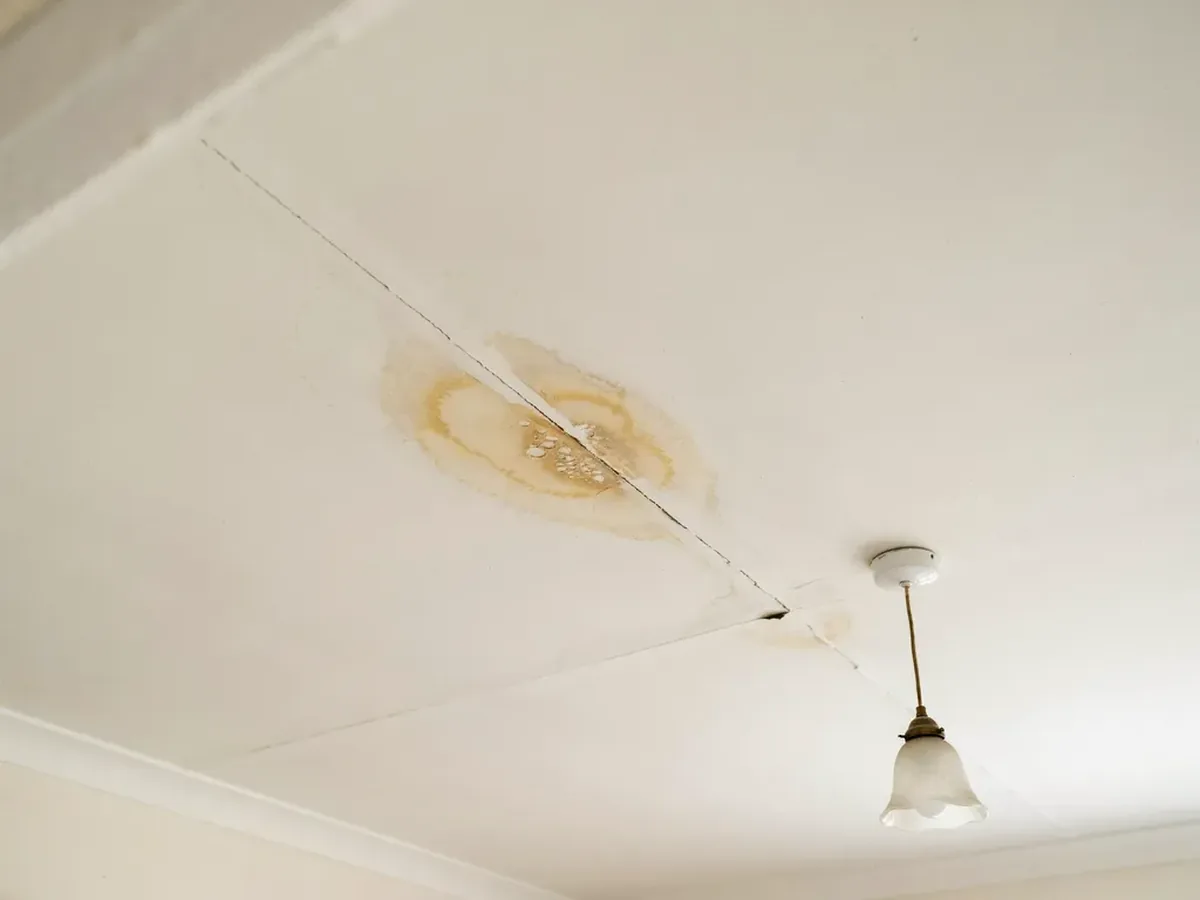
Water does not fall straight down. It runs along the top of a plate, follows a joist, tracks down the outside of a pipe and surfaces wherever it finds a seam, a light fitting or a low point in the ceiling. It is completely normal for a leak in one room to show up as a stain two rooms away.
Which is why opening drywall under the wet patch is usually the wrong first move. We locate first, using acoustic listening gear that picks up escaping water through the structure, thermal imaging that shows where cold or hot water is tracking, and pressure isolation tests that tell us which line has lost integrity.
The point of all of that is a small, deliberate access hole in the right place, instead of a wall opened up in three places while someone guesses. On a slab home that difference is thousands of dollars, because it decides whether we break concrete at all.
Common sources
Where emergency leaks usually come from
Supply line joints
Soldered copper joints, threaded galvanized connections and compression fittings under sinks. Age, hard-water scale and movement all work these loose over time.
Water heaters
A weeping T&P valve is a repair. Water from the bottom of the tank means the tank has corroded through, and no amount of tightening will fix that.
Angle stops and supply lines
The braided connectors to toilets and faucets have a service life. When the braid frays or a plastic nut cracks, it goes all at once.
Appliance connections
Dishwasher supply and drain lines, fridge ice maker lines and washing machine hoses account for a large share of household water damage.
Under-slab lines
A hot line failing under concrete shows as a warm floor, unexplained running water and a bill that climbs. See slab leak repair.
Shower pans and tub surrounds
Failed pan liners and grout leak on use rather than continuously, which makes them easy to misdiagnose as a pipe.
Costs
Emergency leak repair costs
| Job | Typical range | Notes |
|---|---|---|
| Electronic leak location | $250 – $500 | Acoustic and thermal locating. Often credited against the repair. |
| Accessible joint or fitting repair | $220 – $520 | Under a sink, in a basement, at the heater. |
| In-wall supply line repair | $500 – $1,400 | Locate, small access, repair, pressure test. |
| Angle stop or supply line replacement | $180 – $420 | Includes replacing seized valves. |
| Slab leak reroute | $2,200 – $6,000 | Abandon the failed run and reroute overhead or through walls. |
| Emergency water heater replacement | $1,500 – $3,200 | See water heater installation. |
After-hours call-out additional and credited against the work. Typical local ranges, not a quote.
FAQ
Water Leaks: your questions answered
Water is coming through my ceiling. What do I do first?
Shut the main off, then kill the breaker for that area if any lighting or outlets are involved. Put a bucket under the worst of it and leave the bulge alone. A bulging ceiling is holding water; it will either drain through the existing hole or come down all at once, and you want to be nowhere near it when it does.
Should I make a hole to let the water out?
Only if the ceiling is visibly bulging and you can do it standing to one side with a bucket underneath. A small relief hole at the low point is better than a whole section coming down. If you are not comfortable, wait for us.
How quickly does water damage become mould?
Mould generally starts within 24 to 48 hours in wet materials at room temperature. That is why drying is as urgent as the repair itself, and why we will tell you straight when the job needs a restoration company alongside the plumbing.
Will you find the leak without tearing up my house?
That is the whole point of locating equipment. Acoustic and thermal tools let us narrow the source down to a small area so we cut one deliberate access hole instead of exploring. On slab homes it often means not breaking concrete at all, because a reroute is cheaper.
My water bill doubled but I cannot see any water. Same thing?
Same underlying problem, different urgency. A hidden leak that is not damaging anything visible is a leak detection job rather than an emergency. See water leak detection.
Is a leaking shutoff valve an emergency?
If it is dripping, it is a next-day repair. If it is spraying or the handle has snapped off and you cannot close it, it is tonight, because you have lost your ability to isolate that part of the house.
Related plumbing services
Active leak in your home?
Shut the water off, then call. We will trace the leak to its actual source and repair it, day or night.