
Overflowing Toilet Repair in West Valley City, UT
An overflowing toilet is either a simple blockage or the first warning that your main line is backing up. Those need very different fixes, and telling them apart takes about two minutes.
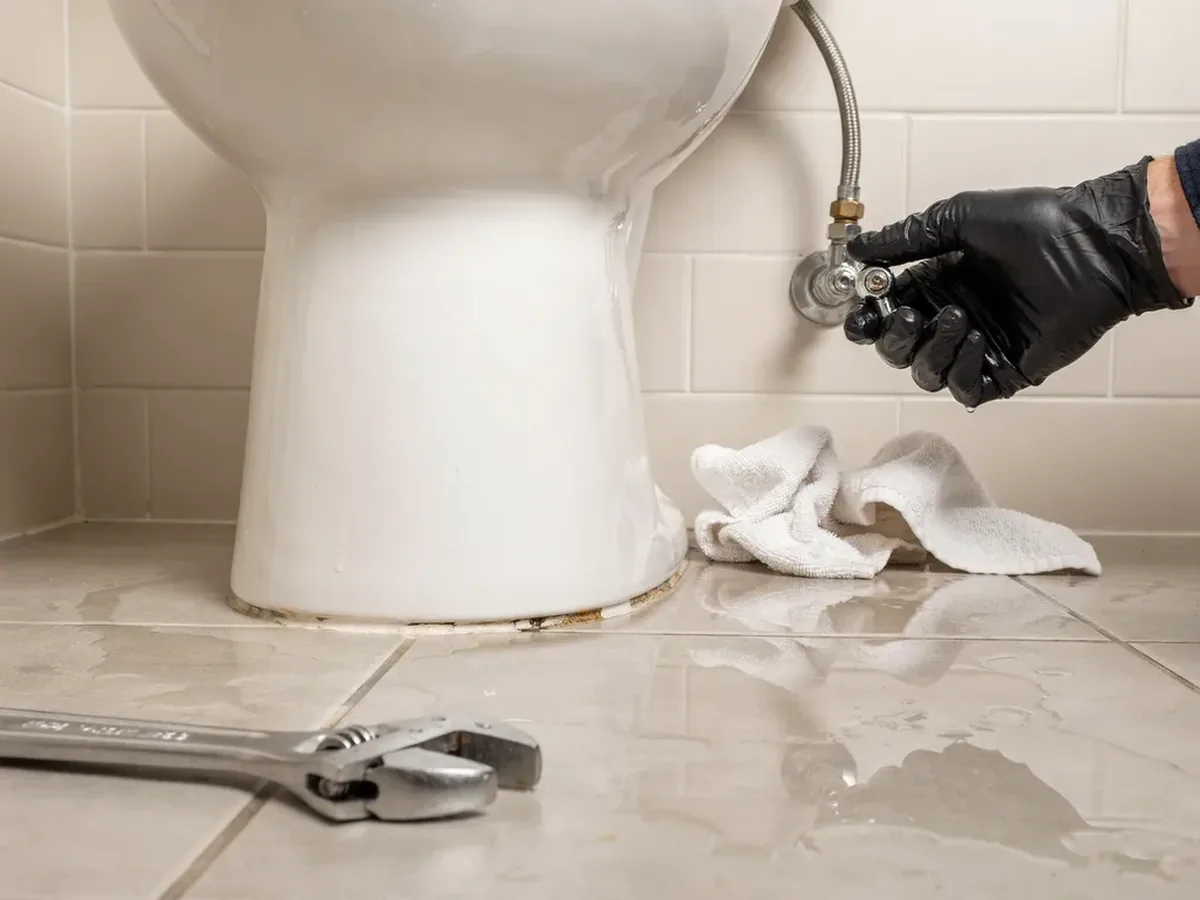
The first job is stopping the water. Reach behind the toilet and close the angle stop on the supply line, turning clockwise. If it will not turn, lift the tank lid and push the flapper down by hand, or lift the float to stop the fill valve. That buys you time.
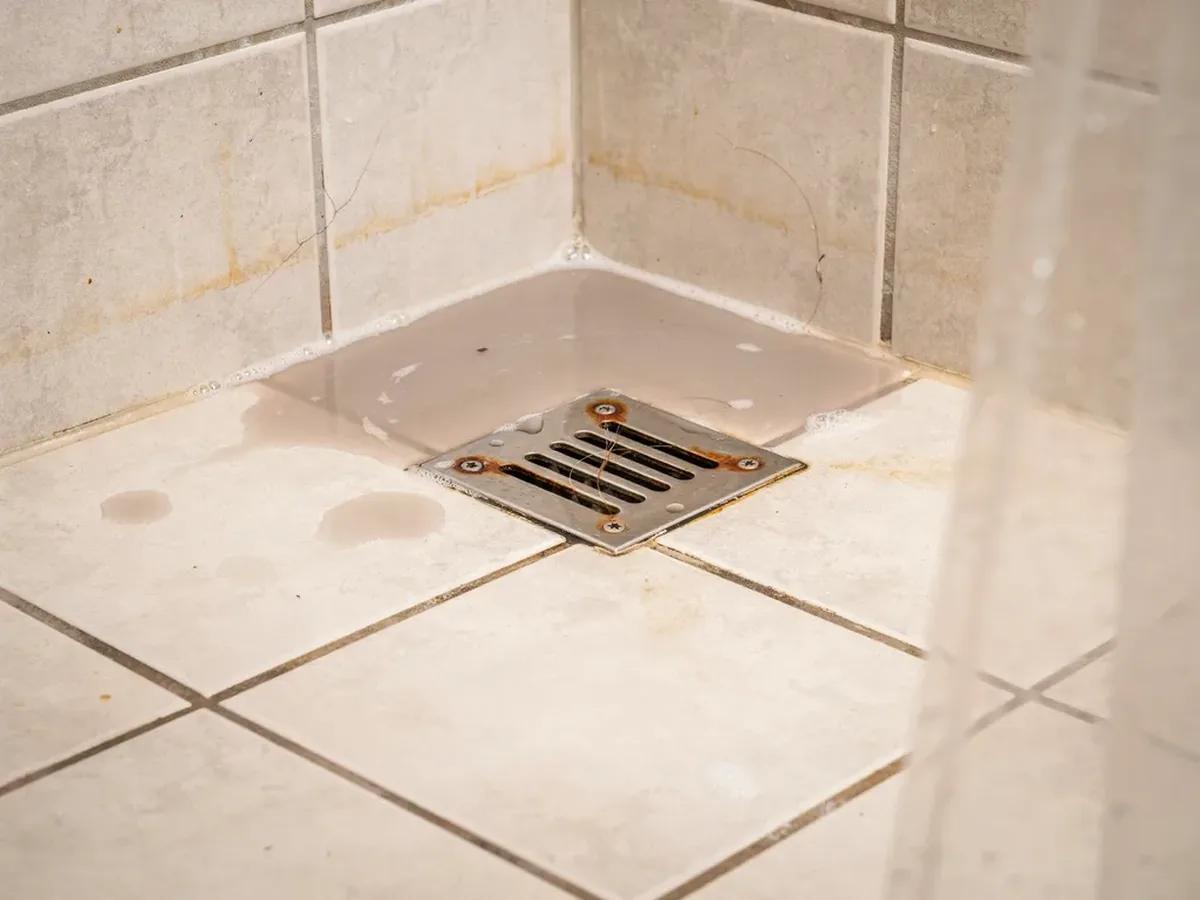
The second job is working out what you are actually dealing with, and this is where most people get it wrong. If only the toilet overflows and every other drain in the house runs normally, you have a blockage in that toilet or its immediate branch. If the toilet overflows while the shower gurgles, the tub fills, or water appears at a floor drain, the blockage is downstream in the main line and everything in the house is draining into it.
That second scenario is the one to take seriously. Plunging a main line backup does nothing, and every flush, shower and washing machine cycle adds to what has nowhere to go.
Right now
Stop the overflow in the next sixty seconds
Close the angle stop
The small oval or football-shaped valve on the wall behind the toilet. Clockwise to close. That stops the tank refilling.
Or stop it inside the tank
If the valve is seized, take the lid off and push the rubber flapper down onto its seat, or hold the float up.
Do not flush again
A second flush on a blocked line adds another 1.6 gallons to a bowl that is already full.
Check the other drains
Run the shower and the tub. If they back up or gurgle, stop using water entirely and call — that is a main line.
Two very different problems
Is it the toilet, or is it your sewer line?
A toilet-only blockage sits in the trapway of the fixture itself or in the short branch behind it. Usual suspects here are wipes marketed as flushable, sanitary products, paper towels, a child's toy, or simply too much paper in a low-flow toilet. A closet auger clears most of these in minutes.
A main line blockage is downstream, in the pipe carrying everything out to the sewer. The toilet is just the lowest opening in the house, so it is where the water surfaces first. Causes here are roots in an older clay or cast iron lateral, a collapsed or offset joint, a belly in the line holding solids, or years of grease and scale narrowing the pipe.
The tell is simple: does anything else back up or gurgle when you run water? If yes, it is the main. We clear it through the cleanout rather than the fixture, then put a camera down the line to find out why it happened, because a main line that blocks once will block again.
Do not do this
Things that make an overflowing toilet worse
- Flushing again to see if it clears. It will not, and you have just added more water to a bowl that cannot take it.
- Chemical drain openers in a toilet. They rarely reach the blockage, they damage older cast iron and wax seals, and they make the eventual hands-on repair hazardous.
- Plunging hard with a cup plunger. The flat cup type is for sinks. On a toilet it mostly pushes water over the rim. A flange plunger seals the outlet properly.
- Running the washing machine or dishwasher. On a main line backup those discharge straight into the blocked line and out through the lowest fixture.
- Ignoring contaminated water on flooring. Sewage water needs proper cleanup, not a mop. Keep pets and children clear of it.
- Pulling the toilet yourself to clear it. Doable, but a cracked bowl or a botched wax seal turns a $200 call into a $600 one.
Costs
What it costs to fix an overflowing toilet
| Job | Typical range | Notes |
|---|---|---|
| Auger a blocked toilet | $140 – $300 | Cleared at the fixture. Most one-off blockages. |
| Pull and reset toilet to clear | $280 – $520 | When an object is lodged in the trapway. Includes new wax seal. |
| Main line cable through cleanout | $300 – $650 | For a whole-house backup. See clogged drain repair. |
| Camera inspection of the main | $250 – $450 | Recommended after any main line backup. Often waived with a clear. |
| Replace failing fill valve or flapper | $150 – $290 | Common cause of a tank that will not stop filling. |
| Replace the toilet | $450 – $950 | Supply and fit including wax seal and stop. See toilet installation. |
After-hours call-out additional. Typical local ranges, not a quote.
FAQ
Overflowing Toilets: your questions answered
How do I stop a toilet overflowing right now?
Close the angle stop on the wall behind the toilet, clockwise. If it is seized, take the tank lid off and push the flapper down onto its seat with your hand, which stops water leaving the tank, and lift the float to stop the tank refilling.
Why does my toilet overflow when I run the washing machine?
Because they share a drain line and that line is blocked downstream of both. The washing machine discharges fast, the water cannot get away, and it comes up at the lowest opening in the house, which is your toilet. That is a main line problem and needs clearing at the cleanout.
Are flushable wipes really the problem?
Yes. They pass through the toilet but do not break down like tissue, so they catch on any roughness in the line and build up. In older cast iron laterals with scaled walls, which West Valley City has plenty of, they snag almost immediately. Nothing but toilet paper should go down.
The toilet drains slowly but does not overflow. Is that the same problem?
It is usually the same problem earlier on. A partial blockage in the trapway or branch line will become a full one. It is much cheaper to deal with while it is still draining.
Do I need a camera inspection?
Not for a one-off blocked toilet. Yes, if your main line has backed up, especially if it has happened before. A camera tells you whether you are dealing with roots, a broken section or a belly, and that decides whether the fix is cleaning or repair.
Can I just replace the toilet instead?
If the toilet itself is old, cracked or a chronically weak flusher, replacing it is reasonable. But if the blockage is in the line rather than the fixture, a brand new toilet will overflow exactly the same way.
Related plumbing services
Toilet overflowing right now?
Close the angle stop behind it, then call. We will work out on the phone whether this is a fixture blockage or your main line.